

Afro house is not a side lane anymore. In 2026 it is one of the sounds filling festival stages, late-night clubs, and DJ bags that used to lean only on tech house or peak-time techno. The records that last are the ones that treat percussion like the main melody and leave enough air for the groove to breathe. That is the lane Washington DC producer ÜDORĀ works in, and his latest original, Fever, sits right in that tribal / Afro house current.
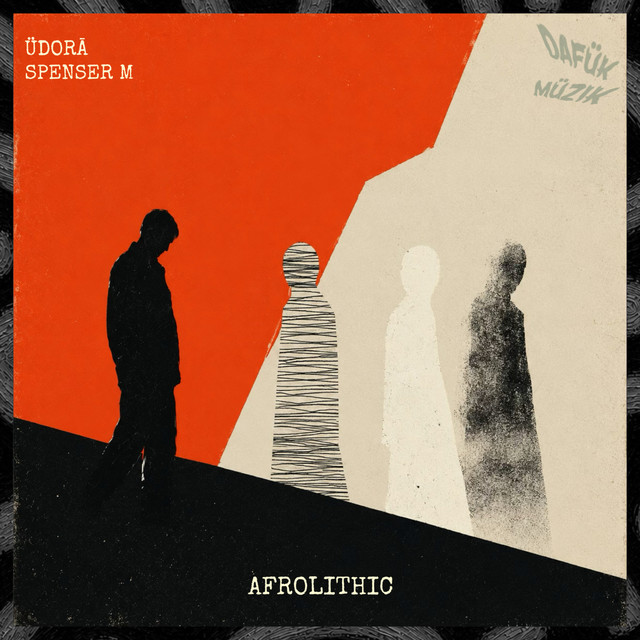
ÜDORĀ has built a name on the local Afro house scene by blending deep house, techno, and Afro house instead of copying one template. His own bio puts it simply: he is after immersive soundscapes and a mix of influences that still feels like him. That mix is what people mean when they talk about the tribal end of Afro house right now. Think rolling four-to-the-floor, layered African-inspired percussion, hypnotic repetition, and a darker, more patient energy than the festival-pop version of the genre. It is closer to the late-night Keinemusik and Black Coffee school than to a three-minute radio smash.
Fever arrives as an original in that world. I am not going to invent a breakdown of lyrics or a drop I have not been handed line by line. What the submission does tell us is the lane: Tribal / Afro House. In that style the heat usually comes from the drums first. Shakers, toms, log-drum weight, and a kick that does not rush. Tempos in this corner of the scene still cluster around 120 to 122 BPM, because that is where the triplet percussion and 16th-note motion sit without turning into tech house. If Fever follows ÜDORĀ’s established approach, expect the kind of groove that is built to live in a set rather than explode and vanish.
His story matches the music. He is a prominent name on the DC Afro house circuit, known for pushing sound instead of repeating the same pack of loops. He currently works out of Washington DC and has released a run of originals that earned him a dedicated local following and recognition from people already inside the scene. Public artist notes also place his roots in Honolulu, Hawaii, and describe a hybrid of deep house, Afro tech, melodic house, and Afro house. That geography matters more than a press-release slogan. DC is not Johannesburg or Berlin, so a producer who treats Afro house as a living blend instead of a costume is doing real work.
He has also put the records in rooms. ÜDORĀ has played DJ sets alongside heavyweights such as Shimza, Moblack, Ameme, and Dlala Thukzin, and he has taken the sound beyond the District to rooms in Miami, Tulum, and Sardinia. That is how this genre actually grows: not only through playlists, but through people who can hold a floor when the percussion is the star. In interviews he has pointed to Black Coffee as the artist who pulled him from early EDM listening into Afro house, and he has described his own version of the style as a bit darker and more hypnotic, sometimes underground, sometimes more soulful. That is useful context for Fever. Tribal Afro house in 2026 is splitting. One side goes brighter and more vocal. The other stays patient, percussive, and a little shadowy. ÜDORĀ has been clear about which side he prefers.
The wider moment helps the record land. Afro house has been called out as one of the year’s defining dance sounds, with production trends leaning toward fewer, stronger percussion layers, warmer bass, and more selective use of voice. Independent artists who already live in that language do not need to chase the trend. They just need a way to get the file onto Spotify, Beatport, and the rest of the platforms DJs actually check.
If you are an artist looking to get your music out there, DistroKid makes it simple to distribute your tracks to major platforms—and you’ll get 7% off your membership with this link: https://distrokid.com/vip/seven/2058328. It’s a great way to reach more listeners and keep more of your earnings.
Fever is another mark from a DC producer who treats Afro house as a craft, not a costume. Press play, sit with the drums, and decide if this is the heat your next set needs. What do you think of ÜDORĀ’s tribal Afro house sound? Let me know in the comments.
