

Some songs pretend leaving is clean. Amélie Giardini’s “Beast” does not. It lives in that messy middle where you already know a relationship is bad for you and you still go back anyway. That is the hook, and it is also the whole point.
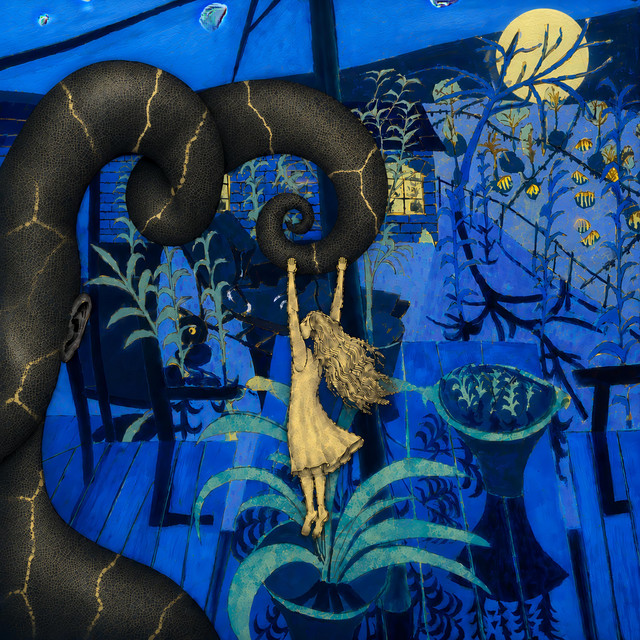
Giardini frames the track as the space between knowing and leaving. The guilt of returning, of still wanting, of hoping one more time sits next to a quieter, sharper idea: the greater guilt may belong to the other person. That is not a tidy empowerment slogan. It is uncomfortable, which is exactly why it fits current alt pop so well. Listeners are tired of songs that resolve every feeling in the last chorus. They want writing that admits how people actually behave.
The genre here is Alt Pop, and that is the right home for this kind of subject. Alt pop has spent the last few years making room for songs that sound intimate and observational rather than oversized. Melody still matters. Production still needs to carry the feeling. But the centre is the writing: power, complicity, the gap between what you tell yourself and what you keep doing. Giardini’s own description of her work lines up with that. She writes about power dynamics between people, inside systems, and inside the self. She moves between vulnerability and control. She likes ambiguity, dark humour, and a little self-aware distance.
That last part matters. “Beast” could have been a purely raw confession. Instead it sounds like someone who has already thought about the loop and still cannot pretend she is outside it. That self-awareness is what makes alt pop land when it works. You do not feel lectured. You feel recognised.
Amélie Giardini is a Franco-Australian, London-based singer-songwriter. She was raised on a small tropical island, and she talks about that early attention to texture, colour, and rhythm as something that still shapes her artistic world. Alongside music she is a trained biologist working across international environmental and human rights policy. That day job, as she describes it, puts her in front of complicated and often uncomfortable realities. Music becomes the parallel room where she processes and reframes what she sees.
That background is not decoration. It explains the tone. Her songs do not treat personal mess as separate from larger patterns. Going back to someone who is bad for you is a private story, but it is also about instinct, habit, and the stories people tell themselves to stay. “Beast” sits in that overlap without turning the relationship into a metaphor so big it stops being human.
“Beast” also belongs to a larger body of work. After her debut release “Sombre Maze,” “Red Pill” continued the Colour Bound project, a sequence she has said will keep unfolding through 2026. Colour Bound is the frame. Each single is another colour, another angle on the same careful attention to feeling and observation. If you already heard those earlier tracks, “Beast” reads as a continuation: still introspective, still unwilling to flatten the story into a simple exit.
Alt pop in 2026 keeps circling this kind of material because it is honest about how slow leaving can be. Streaming culture rewards the hook, but the songs that stick are often the ones that name a specific emotional weather. The weather here is not heartbreak as explosion. It is heartbreak as return. The title does the rest. A beast is appetite, habit, the part of you that wants even when the rest of you has already written the warning.
If you write and release independently, getting the song onto the platforms people actually use is half the job. DistroKid keeps that part simple, and you get 7% off membership with this link: https://distrokid.com/vip/seven/2058328. More listeners, more of your earnings kept. That is the practical side of putting a song like this into the world.
What do you hear in “Beast”? The pull back, the guilt, or the moment you finally name who the guilt really belongs to? Drop it in the comments.
