

There is a particular kind of electronic music that still feels like it was made with hands. Not just a laptop and a sample pack, but actual rooms, actual instruments, and the little noises that live in kitchens, parks, and late-night practice spaces. That is the lane BlauDisS occupies, and Only Thing I Want sits right in the middle of it.
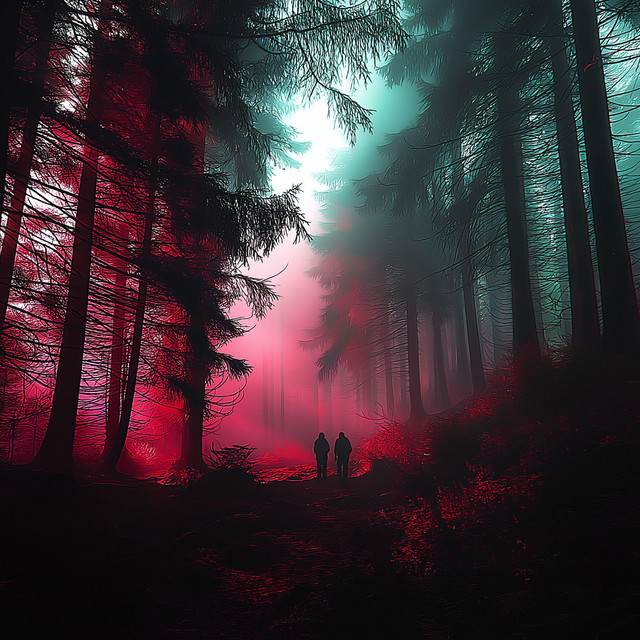
BlauDisS is the organic electronic project of Washington, DC producer and multi-instrumentalist Bert Loudis. The pitch for this one is short and honest: the track features self-recorded layers and foley. That is not a gimmick in his catalog. It is the method. Guitar, bass, saxophone, percussion hits from household items and nature, then those recordings get shaped into something atmospheric that still feels physical.
Loudis did not arrive at this sound by accident. He started on saxophone in jazz groups, then moved through classical orchestras and death metal bands before pulling all of that into one project. The result is the bittersweet-but-optimistic journey he talks about in his own bio. You can hear the discipline of jazz phrasing, the weight of heavier music, and the patience of someone who likes to record the world instead of just synthesizing it.
Only Thing I Want belongs in the wider conversation around organic electronic music, world bass, cinematic electronica, and the future-garage / ambient edge that people keep circling back to when they are tired of purely digital polish. Artists in this space have been leaning harder into field recordings, live instruments, and textures that sound like they belong to a place. Loudis has been doing that for years. Tracks like Rejuvenate and Eight Twenty Two already showed how far self-recorded sax, guitar, and found percussion can travel. This new single keeps that same human grain.
What stands out is the layering. Foley and self-recorded hits do not sit on top of a beat like decoration. They become the rhythm section. Household percussion and nature sounds give the groove a slightly uneven, living pulse. That is why the music still works on headphones and in a room with bodies moving. Loudis also records vocals with musicians in DC or through remote collaborations, so the human voice, when it appears in his world, tends to feel like another instrument rather than a bolted-on hook.
Live, the project stretches even further. Performances mix instruments, visuals, and flow arts into audiovisual sets. That matters for understanding the records. These tracks are built to move, not just to stream in the background. The same person collecting sounds on a hike is the person thinking about how a room will feel when those sounds hit a system.
If you like Tycho-adjacent warmth, Helios-style atmosphere, or the earthier side of world bass and downtempo electronic, this is an easy one to sit with. Do not expect a big-room drop. Expect a track that reveals itself in layers, the way a good field recording does when you stop treating it like wallpaper.
Independent artists who work this way need distribution that does not eat the catalog. DistroKid makes it simple to get music onto the major platforms, and you will get 7% off your membership with this link: https://distrokid.com/vip/seven/2058328. It is a practical way to keep releasing without giving away more of the work than you have to.
What do you think of this kind of organic electronic sound? Does the foley-and-live-instrument approach hit differently than fully digital production? Drop a thought in the comments.
