

Afrobeats keeps stretching. It is not just log drums and summer hooks anymore. The sound is picking up house swing, jazz harmony, and that late-night soul that makes a groove feel like a conversation. TREATY, the new collab from Stephen Cue, Murphy León and QBSmith, lives right in that lane. It is Afrobeats and Afro-fusion with jazz house and tribal pulse underneath, and it does not sound like a trend-chasing mashup. It sounds like three Texas-connected writers finding a shared pocket.
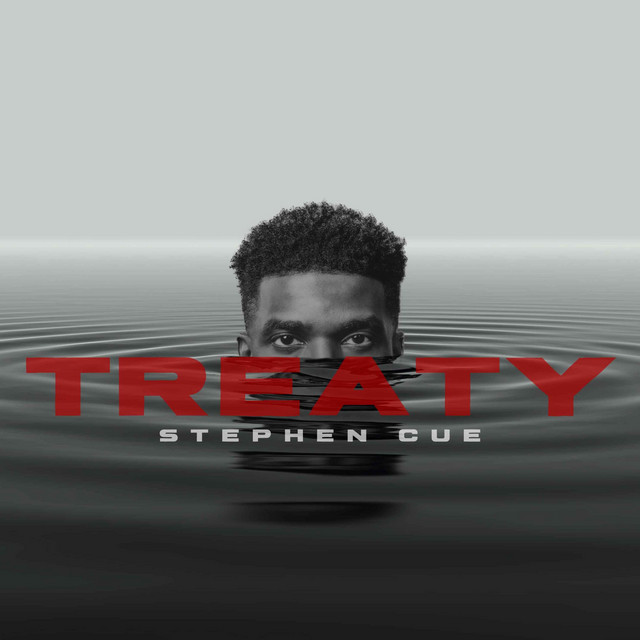
Stephen Cue is the Dallas singer-songwriter who first introduced himself with the 2020 single Haunting. He grew up in a gospel household, the son of a worship leader, and he has spent years stacking soul, R&B and pop into something that still feels personal. He has talked about influences that run from Stevie Wonder to Shakespeare, which is a wild pairing until you hear how he writes: uplifting on the surface, a little more complicated once you sit with it. POSTCARDS arrived in 2022. Black Roses followed. TREATY, out August 28, 2026 on CUEST 1 and clocking in around three minutes sixteen, is being framed as a new chapter. Cue’s own note on the record is simple and sharp: sometimes peace is not staying where you are. Sometimes peace is choosing what comes next.
That idea fits the genres on the submission. Afro-pop and Afro-fusion love a forward motion. Jazz house loves a groove that refuses to sit still. Tribal and Afro house love percussion that feels lived-in rather than programmed for a playlist thumbnail. QBSmith is the producer and songwriter who makes that last part make sense. Quinntin B. Smith comes out of Somerville, Texas with a percussion background, gospel church work, and a self-described feel-good mix of pop, R&B, jazz and soul. He has said he writes simple songs with complex undertones, the kind that change depending on whether you hear them in a car, a kitchen, or a club. His approach is percussive but easy. You can hear the country-Texas roots without anyone waving a flag about it.
Murphy León is the third name on the credit. He has history with Cue already, including production on Haunting, and he is listed among the writers on TREATY. Without a full public bio attached to this drop, the honest read is this: he is part of the room that built the record, not a random feature tag.
What you get, then, is a Texas soul triangle pointing toward global club language. Afrobeats and Afro-fusion have been one of the most streamed lanes on earth for years now, and the interesting records in 2026 are the ones that treat that language as a home base instead of a costume. Jazz house has been doing similar work on the other side of the floor, folding live-feeling harmony into four-on-the-floor. TREATY sits where those two conversations meet. Cue’s voice carries the gospel-soul lift. QBSmith’s writing and rhythmic sense keep it grounded. The production leans into groove and atmosphere rather than a cheap drop.
Cue has never pretended he wants to live inside one genre box. His catalog already moves between laid-back R&B, pop-soul and more experimental textures. TREATY just makes the club door wider. If you came for Afrobeats, there is bounce. If you came for jazz house, there is space and swing. If you came for tribal or Afro house, there is that body-first percussion that does not need a speech to explain itself.
Independent collabs like this are also how a lot of real catalog gets built now. Three writers, one single, no major-label press cycle required. If you are trying to get your own music onto the same platforms these records live on, DistroKid makes that part boring in the best way. You keep your masters, you upload once, and you can take 7% off membership with this link: https://distrokid.com/vip/seven/2058328. That discount is small until you realize it is the difference between waiting and shipping the song while the idea is still hot.
TREATY is a short record with a long idea behind it. Peace as movement. Soul as rhythm. Texas writing dressed for a global floor. What do you hear first, the Afrobeats bounce or the jazz-house pocket? Drop it in the comments.
