

There is something quietly magnetic about a track that knows how to hold back before it opens up. Glitch Garden’s haze does exactly that. What begins as a beautiful, subtle deep house piece slowly unfolds into a wider melodic house soundscape, carrying the weight of Gerard Manley Hopkins’ 1885 poem “No worst, there is none” along the way. It is the kind of electronica that rewards patience without ever feeling slow.
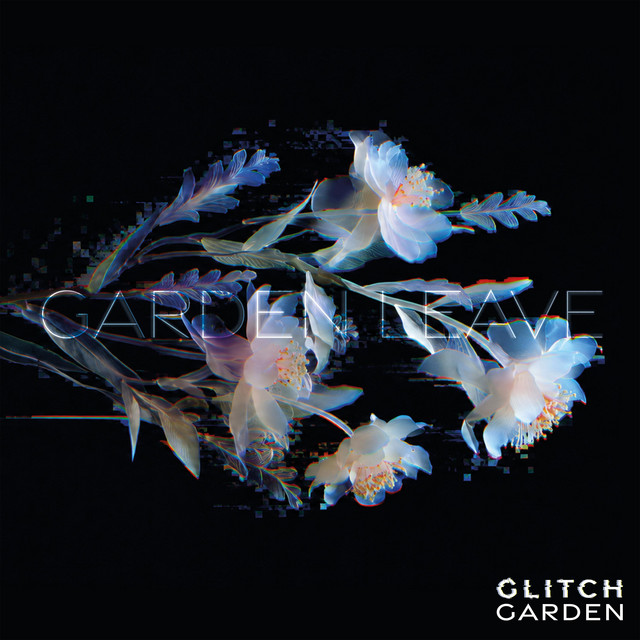
The song sits comfortably between electronica, progressive house, and melodic house. Early on it stays restrained, the kind of deep house that lives in soft textures and careful space rather than immediate peaks. Then it shifts. The arrangement takes off, opening into brighter, more expansive melodic house territory while still keeping the thoughtful undercurrent that defines the track. That contrast feels intentional. It is not a sudden drop for the sake of a drop; it is a gradual lift that matches the emotional register of the poem it incorporates.
Behind the project is Christian, working under the name Glitch Garden. He describes the music simply as Danish electronic music produced with love. This September he released his first solo album, framed as a journey that moves from soft, ambitious moods and soundscapes into house music. The timing feels right. Established producers stepping into more personal projects have become a noticeable thread in electronic music, and Glitch Garden fits that pattern. Over the years the producer has worked with many artists and earned support from names including Tiësto, Laurent Garnier, Judge Jules, and BBC. Those credits sit in the background while the new material steps forward on its own terms. A limited vinyl edition of the album is planned for November, which should appeal to listeners who still value physical formats alongside streaming.
Melodic house and progressive house continue to hold steady ground in club and listening rooms alike. Listeners keep looking for tracks that balance atmosphere with forward motion, and haze delivers both. The subtle opening gives it a headphone-friendly quality, while the later melodic expansion makes it feel ready for a larger room once the album moves into live performances. Christian has said the hope is for the track to gain traction on streaming and, ideally, for the album to be performed live. That dual ambition—digital reach paired with the desire to take the material off the screen—mirrors how a lot of independent electronic artists are thinking right now.
The incorporation of the Hopkins poem adds another layer without turning the track into pure ambient poetry. The literary reference sits inside the production rather than dominating it, giving the electronica a sense of history while the progressive and melodic house elements keep it contemporary. It is a small but distinctive choice that separates haze from more straightforward dancefloor cuts.
For independent artists watching how projects like this move from album release to vinyl and potential live dates, distribution remains one of the practical pieces. DistroKid continues to make it straightforward to get music onto major platforms, and the 7% discount on membership via this link is worth noting: https://distrokid.com/vip/seven/2058328. It is a simple way to keep more of the earnings while reaching listeners across streaming services.
What stands out most with haze is the willingness to start quiet and let the melodic house elements arrive in their own time. The Danish electronic approach here feels personal rather than formulaic, which is exactly what many listeners are seeking in the current progressive and melodic house landscape. The limited vinyl in November and the hope of live performances suggest the project is still building outward from this first solo album.
What do you think of the way the track moves from subtle deep house into the wider melodic soundscape? Drop your thoughts in the comments.
