

Trip-hop never really left the room. It just learned how to sit next to a softer kind of dancefloor. That is the feeling sitting inside Glitch Garden’s remix of The Sei’s Let It All Go: a vocal-led electronica cut that treats the original as something worth protecting, then builds a longer path around it.
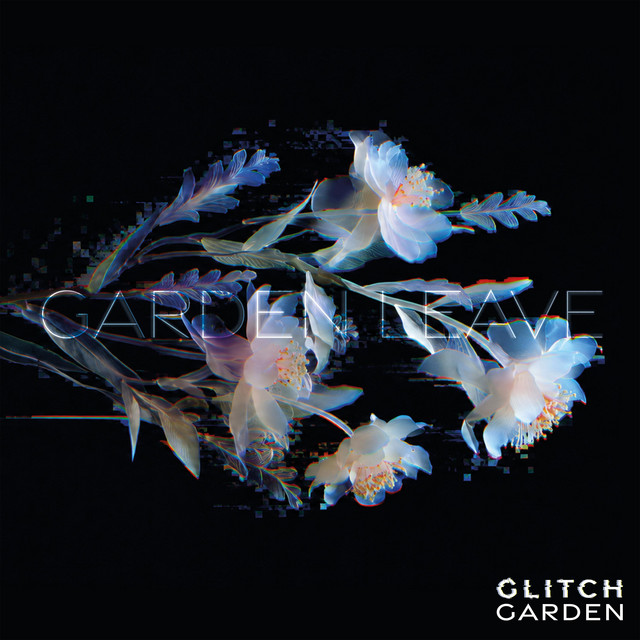
The pitch from the Danish project is simple and specific. This is a remix with a small nod to Massive Attack, built on The Sei’s vocals, meant as an eclectic journey rather than a club rewrite that erases the song. It has already had strong support at the Stella Polaris festival, which matters here. Stella Polaris is not a random playlist tag. It is the Danish chill-out world that has long commissioned custom remixes and late-night listening records, the kind of setting where a track has to hold attention without shouting.
The Sei are the Irish and Swedish duo Stacey Gill and Maria Nilsson Waller. Let It All Go comes from their writing with Ross Dowling, and the Glitch Garden version first arrived through Stella Polaris Music in late 2024 as Let It All Go (Glitch Garden’s Stella Polaris Remix). The same remix now sits on Garden Leave, Glitch Garden’s first solo album, released this September on the same label. That album is described as a journey from soft, ambitious moods and soundscapes toward house, with a limited vinyl edition due in November. Hearing the remix inside that larger record changes the frame. It is not only a festival one-off. It is part of a first personal statement.
Behind the name is a platinum-awarded producer who has worked with many artists and picked up support from Tiësto, Laurent Garnier, Judge Jules, BBC and others. Glitch Garden is the first time that catalogue of studio work has been pointed at a project of his own. The public line is short and useful: Danish electronic music, produced with love. That phrase fits the remix better than a harder genre label would. Officially it sits as a remix, with the mood filed under electronica. There is no need to pretend it is peak-time techno. The appeal is the vocal, the atmosphere, and the Massive Attack-shaped shadow in the arrangement.
That shadow is doing a lot of work in 2026. Downtempo and trip-hop language keeps resurfacing in festival chill zones and in albums that refuse to pick one tempo for a whole record. Producers who grew up on Mezzanine-era space, then spent years making records for other people, are using solo projects to slow the frame down again. Glitch Garden’s version of Let It All Go belongs to that lane. The vocals stay central. The production is there to carry them through an eclectic arc, not to bury them under a drop. Festival support at Stella Polaris is the right kind of proof for a record like this. If a chill-out crowd stays with a remix, the atmosphere is doing its job.
Garden Leave makes the context clearer. A debut that moves from soundscape into house gives a remix room to breathe. Soft ambition at the front of an album, rhythm later. Let It All Go can live in the first half of that idea without being asked to function as a peak-time single. The November vinyl run is the other tell. Physical editions still matter for this corner of Danish electronic music, where a Stella Polaris record is as likely to be played at home as it is between sets.
If you are an artist sitting on a remix, a debut album, or a small vinyl run and you want it on the major platforms without giving the release away to a middleman, DistroKid keeps the path simple. You upload, you pick your stores, and you keep more of what the record earns. There is 7% off membership with this link: https://distrokid.com/vip/seven/2058328. For a project like Glitch Garden, where the personal record arrives after years of work for other people, owning the release path is part of the point.
Put The Sei’s vocal next to that Massive Attack nod and tell me where it lands for you. Festival haze, late-night album cut, or something you would actually keep on a chill-out playlist? Say so in the comments.
