
There is a specific kind of bad idea that still feels like the only idea in the room. You clock the red flags. You notice the unanswered questions. Then the spark hits, and the careful version of you loses the argument. MONOLYTH wrote Blurry Vision for that exact moment, and the Belgian duo released it on 1 October 2026 as the second single from their debut EP HABESHA.
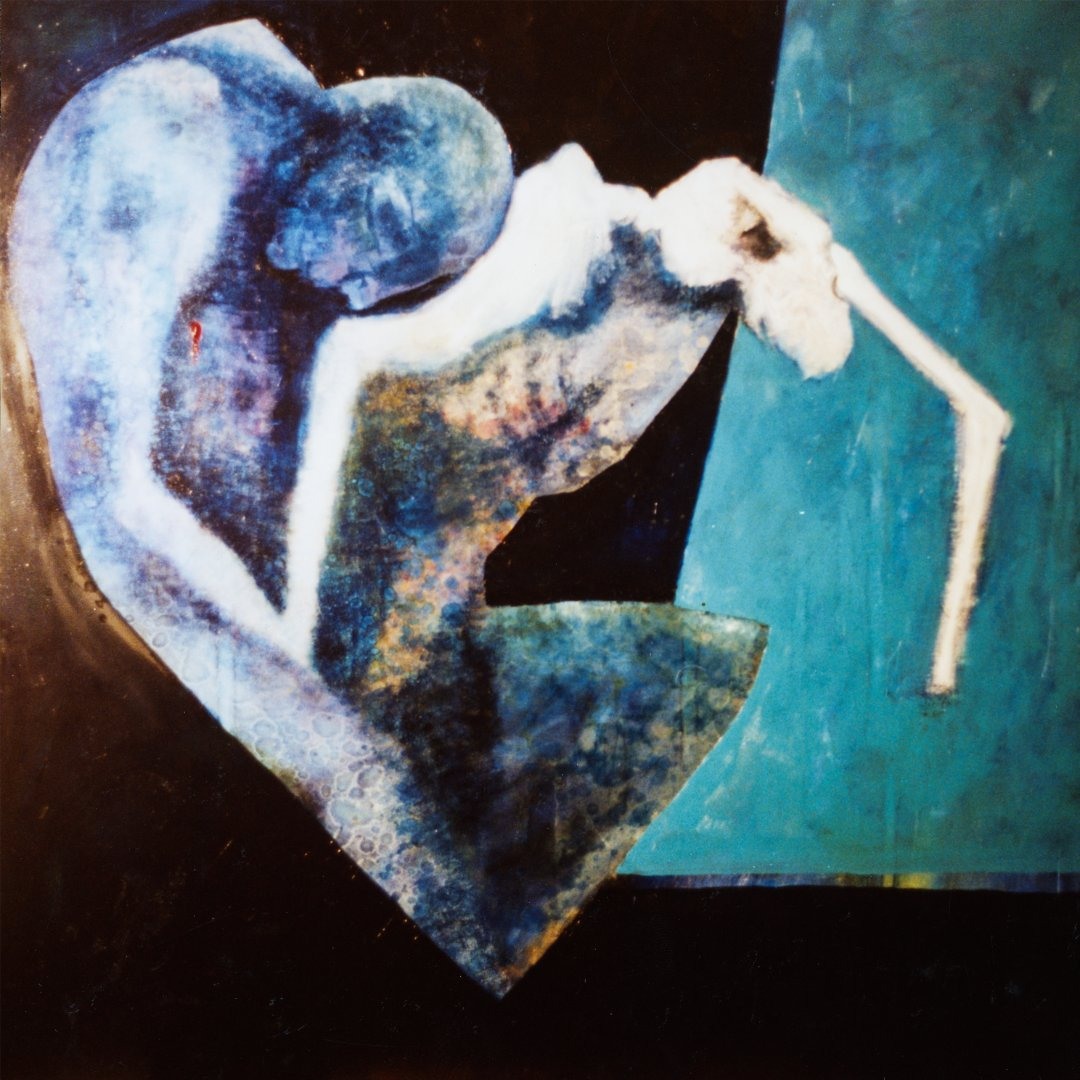
Electronica is a wide label, and this one sits in the part of the map that still owes a debt to Bristol. The pair describe a sound that moves between trip-hop, cinematic alternative rock and contemporary pop, with Massive Attack and Portishead audible in the room and a pop instinct they are not interested in apologising for. That mix is having a quiet moment again. Fall 2026 is full of records that treat trip-hop, shoegaze and drum and bass as emotional tools rather than museum pieces. Blurry Vision arrives in that weather: mood-first electronic music that still wants a chorus you can carry out of the room.
MONOLYTH is Théo Roland and Gaëtan Heymans. Roland composes, directs and arranges. Heymans sings, performs and plays bass. They are filmmakers who also make music, and they treat the song and the image as the same story rather than using one to advertise the other. That is a track record, not a slogan. Roland’s short film Unscarred (2023), with Heymans on cinematography, set design and post-production, screened at international festivals. The clips for Time to Move On and Twisted Fate were made entirely in-house. When they release a song, the film comes with it. They met at film school, where both were studying cinematography and already making music. Roland had built his own studio, recorded rappers and started writing rock. Heymans was already singing and playing bass. The studio invite turned into a writing partnership, with Roland on composition, Heymans on bass and vocals, and both of them on piano, percussion and whatever else the scene needed.
HABESHA, out on 23 October 2026, is six tracks and one story. A love story told in order: the encounter, the discovery, the attachment, the disillusionment, the fracture, and acceptance. Written, composed and produced in their own studio, the EP is preceded by Those Habesha Eyes on 23 September, Blurry Vision on 1 October, and the cinematic clip for Twisted Fate on 13 October. The single sits in the middle of that arc, where the feeling is still stronger than the evidence.
Their own note on the song is the cleanest brief you could ask for. “I knew from day one there were red flags and unanswered questions, but the spark was too strong to ignore. Writing this was about capturing that exact moment where you choose to leap into something, knowing full well that opening your heart might get you hurt, but taking the risk anyway.” That is the emotional engine. Not a mystery reveal. A decision, made with the lights already flickering.
If you are an artist trying to get a record like this onto Spotify, Apple Music and the rest without handing the rights away, DistroKid is built for that independent route. You keep your music, you pick the release date, and you can line the single up with the film the way MONOLYTH do. You will get 7% off your membership with this link: https://distrokid.com/vip/seven/2058328. It is a practical way to reach more listeners and keep more of what the record earns.
Blurry Vision is on streaming now, with HABESHA landing later this month. What do you think of this kind of cinematic electronica, the trip-hop weight with a pop instinct still intact? Let me know in the comments.
