

In a music world obsessed with faces, follow counts, and personal brands, some artists still prefer to stay invisible and let the tracks do the talking. Yalla Habebe is one of them. The project arrives with almost zero personal noise and a clear message: no status, no ego, just music. Out of Touch fits that approach perfectly. It sits in the overlapping space of tribal Afro House and melodic house, two styles that have been dominating club conversations throughout 2026.
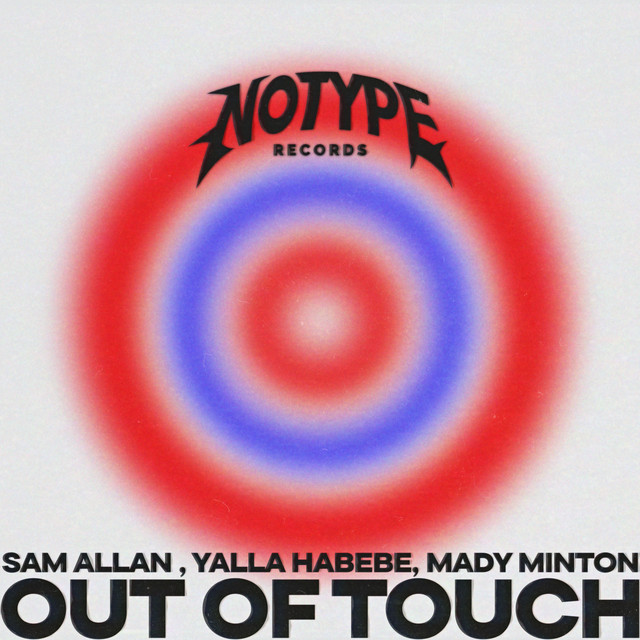
Afro House itself has become the defining electronic sound of the year. Splice and MIDiA Research named it Sound of the Year after massive download growth, with the genre climbing from the lower ranks into one of the top positions on major platforms. The style draws on layered African-inspired percussion, organic textures, and a groove that feels both ancient and modern. Tribal elements push the drums and rhythms further forward, while melodic house adds emotional weight through pads, evolving synth lines, and longer builds that create atmosphere rather than sudden drops. The combination keeps dancefloors moving without sacrificing feeling. Out of Touch lives in that lane. Listeners who enjoy the rolling percussion of Keinemusik-style records or the more harmonic side of Adriatique-adjacent tracks will recognize the territory immediately.
What stands out most is the deliberate lack of personal story. The only information shared is that Yalla Habebe is “just creating, anonymously.” The artist wrote a short bio specifically to say the music matters more than anything else, and that they hope listeners enjoy it as much as they enjoy making it. There is no origin story, no list of influences, no claim of status. In an era where many independent artists feel pressure to overshare on social media, this approach feels intentional. It echoes a wider current of anonymous or semi-anonymous electronic acts who treat identity as secondary to the sound. When the person steps back, the production, the groove, and the overall mood have to carry everything. That places a higher demand on the track itself, and Out of Touch is presented as pure creation rather than content attached to a face.
The result is a straightforward invitation. If you like tribal percussion that locks into a hypnotic pocket, or melodic house that builds atmosphere around a steady pulse, this is worth a listen. There are no grand claims attached, which makes the recommendation simple: press play and decide for yourself whether the music lands. In a crowded field of Afro House releases, that no-ego stance can actually help a track stand out because the listener is not being asked to buy into a persona first.
Independent artists who want their music to reach listeners without needing a big label push still face the same practical question of distribution. Getting tracks onto major platforms cleanly and keeping more of the revenue remains essential. DistroKid handles that process for a huge number of independent producers and vocalists, and you can get 7% off membership with this link: https://distrokid.com/vip/seven/2058328. It is one of the more straightforward ways to put your own work out and retain control.
What do you think of artists who stay fully anonymous and let the music stand alone? Does that approach make you more or less likely to check out a new track like Out of Touch? Drop your thoughts in the comments.
