

Have you ever noticed how the music that stays with you longest rarely announces itself at full volume? In an era built around ten-second hooks and compressed loudness, your ears naturally lean toward the rare track that refuses to rush. When an artist trusts silence, space, and patience, you immediately feel the tension in the room shift—and you find yourself leaning in closer just to catch every subtle vibration.
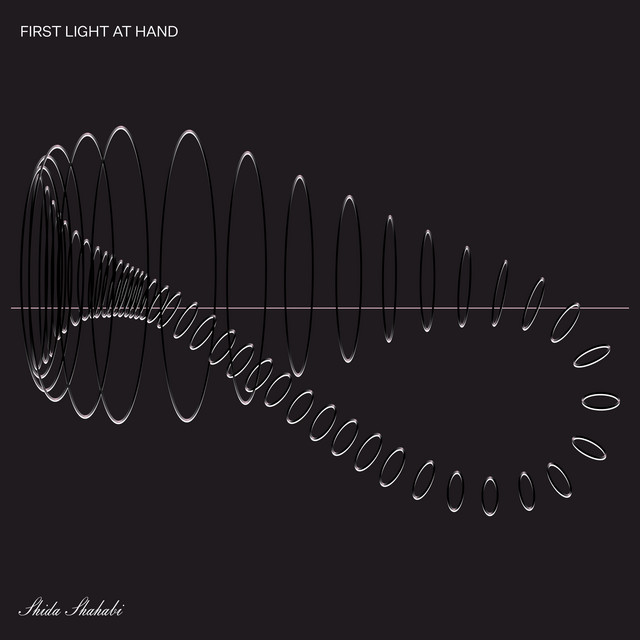
That quiet magnetic pull sits right at the center of Wreath, the compelling new single from Stockholm-born composer Shida Shahabi featuring PJ Harvey. Released via Still Light as the first preview of Shahabi’s upcoming album First Light at Hand, arriving March 5, 2027, the track stretches across six and a half unhurried minutes. Rather than chasing predictable drops, it begins with hushed, intimate piano before unfolding into a slow, cinematic swell with Harvey’s unmistakable presence anchored at its core.
Where Classical Restraint Meets Modern Indietronica
Listeners who gravitate toward Indietronica and left-of-center Indie Pop will immediately recognize how carefully every texture is placed here. Shahabi builds an uncluttered soundscape where each piano note carries real physical weight, allowing the arrangement to breathe before gradual layers of warmth rise underneath. For anyone drawn to PJ Harvey’s quieter, more haunting catalog, her collaboration with Shahabi feels completely organic—two distinct artistic voices meeting in a space where vulnerability and restraint carry far more power than spectacle.
There is also a subtle emotional rawness running beneath the composition that echoes the introspective edge of classic Emo, translated through chamber acoustics and subtle electronic atmosphere rather than distorted guitars. It is the kind of piece that fits effortlessly into late-night listening sessions, modern classical rotations, and ambient playlists, rewarding anyone willing to sit still and let the dynamics develop at their own pace.
From Stockholm’s Art World to Cinematic Soundscapes
Understanding Shida Shahabi’s background makes the architecture of Wreath even more fascinating. Born in the Swedish capital in 1989, she grew up in a household filled with both 1970s Persian pop and long-established classical works. Yet as Shahabi has reflected, it was the shared joy of her parents listening and singing at home—rather than any single record collection—that shaped her lifelong connection to sound. She began experimenting with her own compositions at just eleven years old, and in 2009 entered Stockholm’s Royal Institute of Art to merge her musical instincts with a deep passion for visual and fine art.
After leaving art school, Shahabi worked extensively as a freelance musician alongside local artists and bands before composing for dance, cinema, theatre, and fine art installations. That multidisciplinary discipline shines through her 2023 second album, Living Circle, which wove ambient and drone techniques into traditional structures with rich textural detail and low-end warmth. Shahabi has noted that she sees no reason to separate cerebral appreciation from sentimental reaction, believing listeners need both to truly experience art—a philosophy you can hear in every bar of Wreath.
Helping Independent Visionaries Reach Global Ears
Releases like Wreath prove that uncompromising, deeply personal music continues to find devoted audiences around the world when artists control how their work reaches listeners. If you are an independent composer, producer, or songwriter preparing to share your own atmospheric tracks with streaming platforms everywhere, getting your music heard starts with reliable distribution. Many independent creators rely on DistroKid (affiliate link) to upload unlimited releases quickly while keeping full creative independence.
As anticipation builds toward First Light at Hand in March 2027, Wreath stands as a striking reminder of what happens when two fearless artists choose patience over noise. Put on a good pair of headphones tonight, press play, and let those six and a half minutes surround you—then come back and share in the comments which moment of the swell hit you hardest.
