

Hey music lovers, have you ever felt that pull of wanting someone who's just slipped away into the night? That mix of desire, mystery, and a touch of the sacred? If that hits home, Pharaoh's Daughter's latest track "Asleep" is going to resonate deeply. This sultry, evocative piece pulls you right into its world, blending World Music with touches of Indie Rock and Indie Pop in a way that's both intimate and expansive.
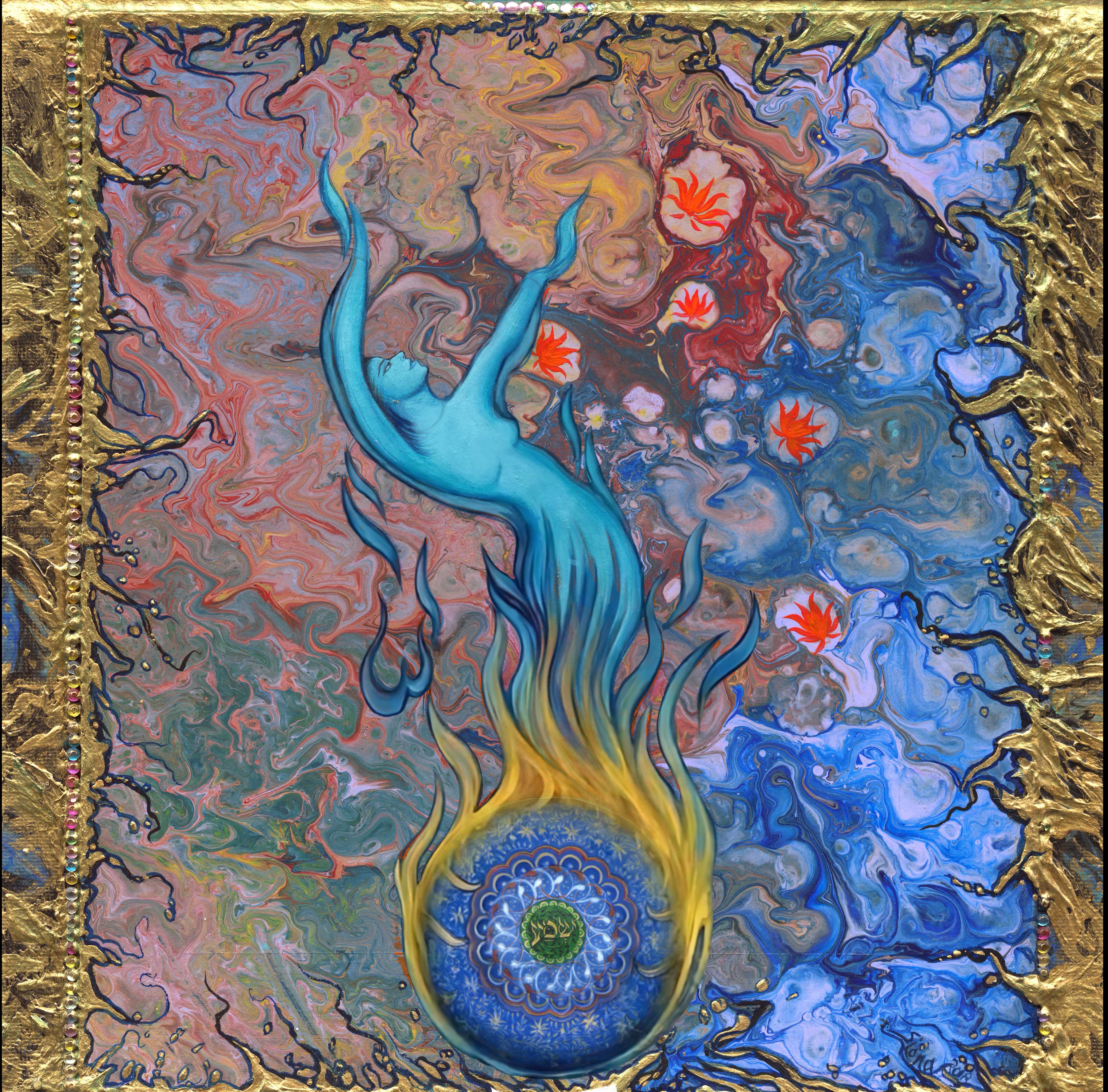
"Asleep" comes from Pharaoh's Daughter's sixth album, Songs of Desire, which dropped on June 12, 2026, via John Zorn’s Tzadik label. Adapted from the ancient biblical poetry of the Song of Songs, the song tells the story of yearning for a love who has vanished. It's not tidy or resolved—it's messy, human, full of projection, ecstasy, and confusion. That raw emotional core shines through in the music, making it feel incredibly alive and contemporary.
What stands out immediately is how the band weaves those Middle Eastern and North African influences into something fresh. Think rich, organic instrumentation meeting subtle electronic textures, creating a sound that's devotional yet experimental. Basya Schechter's distinctive voice leads the way, drawing on her deep roots in Sephardic, Mizrahi, and Ashkenazi traditions while pushing boundaries. The track captures that genre-defying essence Pharaoh's Daughter is known for—blending global sounds with indie sensibilities for something truly unique in the World Music scene.
The backstory behind this song and the album makes it even more powerful. Basya Schechter has been nurturing Songs of Desire for nearly two decades. It started back in 2008 after a chance meeting with French producer Laurent Jais in Montreal. Early demos grew out of her immersion in Shir HaShirim alongside scholar Yosef Goldman. There were sessions in New York and Paris, including work following tours with the vocal quartet Mycale. But life had other plans.
Schechter pursued cantorial ordination through the ALEPH Renewal program while navigating fertility treatments. Motherhood arrived, and the project took a back seat as she raised her son as a single parent. She returned in 2016, collaborating with the late Jamshied Sharifi on foundational tracks right before giving birth. Years of dormancy followed, with pandemic-era remote attempts adding clarity. It was only in late 2024 that producer Isaac DeBom helped bring it all home through in-person sessions in New York. The album honors Sharifi's contributions even after his passing, turning personal transformation, spiritual study, heartbreak, and resilience into art.
Across the 12 tracks on Songs of Desire, Hebrew text mingles with Spanish, French, Arabic, Yiddish, and English fragments. This creates a meditation on love in all its forms—romantic, spiritual, fractured, enduring. Schechter has described how she once thought she needed a perfect love story to sing these songs, but realized the poetry is really about rooting in the desire and the search itself. That perspective shift infuses the entire record with authenticity.
Pharaoh's Daughter, led by Schechter on oud, guitar, vocals, and percussion, features a stellar lineup including Daphna Mor on flutes and ney, Meg Okura on violin, Shanir Ezra Blumenkranz on bass, and more. Special guests like Tamer Pinarbasi on qanun and others add layers that elevate the sound. This isn't background music—it's an invitation to sit with complexity and beauty.
In today's music landscape, where fusion projects often feel surface-level, Pharaoh's Daughter stands out for their depth. The band has been reimagining Jewish and global traditions for years through previous releases like Haran and Dumiyah. Songs of Desire feels like the culmination of that journey, especially as World Music continues to gain traction among listeners seeking meaningful, cross-cultural experiences. Indie Rock and Indie Pop fans will also find plenty to love in the accessible yet layered production.
If you're into artists who blend sacred and sensual with masterful storytelling, add "Asleep" to your rotation immediately. It's the perfect entry point to the full album, which captures an 18-year artistic and personal evolution.
What do you think of this blend of ancient poetry and modern World Music? Have you explored Pharaoh's Daughter's catalog before? Drop your thoughts in the comments—I'd love to hear what resonates with you.
If you’re an independent artist looking to get your music out there, DistroKid makes it simple to distribute your tracks to major platforms—and you’ll get 7% off your membership with this link: https://distrokid.com/vip/seven/2058328. It’s a great way to reach more listeners and keep more of your earnings. Whether you're crafting your own fusion sounds or just starting out, tools like this help turn passion into something that connects globally.
