
Afro house did not sneak into 2026. It arrived loud. Playlists, festival stages, and producer sample packs have all leaned into that rolling percussion and that feeling that the room is about to move as one. Greg Elenis’ Twende fits that moment without sounding like a copy of last year’s big records. The title is Swahili for “let’s go,” and the track treats those two words like an invitation, not a slogan.
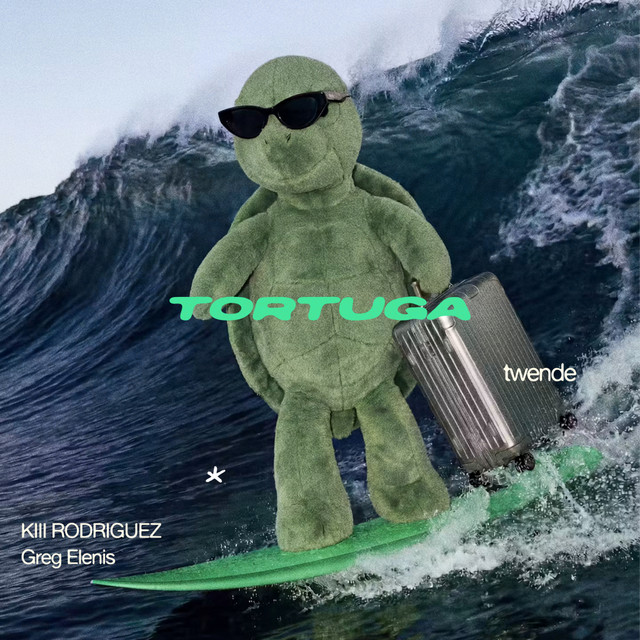
Twende sits in Tribal / Afro House, the pocket where house’s four-on-the-floor meets layered percussion and a more soulful, almost ceremonial lift. Greg has said the hook also carries Karibu (“welcome”) and Moyo (“the heart”), and that the whole production was built around the feeling of those words. He also said the finished track still gets him emotional. That is the useful brief for a listener: this is groove first, but it is not empty groove. The energy is meant to open something, not just fill a set.
You hear that approach across his catalog. Greg Elenis works as a producer and musician in the space between melodic house and Afro house, aiming for rhythms that travel and still feel personal. He has talked about growing up as the son of a Greek musician, and about how time spent moving through different cultures shaped the way he writes. The public bio is consistent on the point he cares about most: music as transport. He wants a production to take you somewhere. Twende is the latest attempt at that.
He is not starting from zero. His unofficial remixes of Salif Keita’s Yamore and Bah Poulo picked up support from names like Adriatique, Sparrow & Barbossa, and Edemusik. The Yamore remix in particular found a long life online. He has also remixed Idd Aziz’s Seme for Spirit Animal Records, and his own singles — Mwili Wako with Lyge, Suéltate, Agapás Ti Fotiá, Red Flag Rhythm, Ngiyajola — sit in the same Afro, deep, and house lanes. On Spotify he is already past 160,000 monthly listeners. Twende itself lands as a collaboration with KIII Rodríguez on Tortuga, a short, focused cut rather than an eight-minute DJ tool.
That matters because Afro house in 2026 is a wide label. Some records chase festival peaks. Some stay tribal and dry, all drums and space. Twende belongs with the soulful side: language as texture, percussion as the engine, and a lift that feels like a welcome instead of a drop-for-drop’s-sake. If you have been living in that Keinemusik-to-Black Coffee continuum — organic rhythm, spoken or sung phrases in African languages, tempo that lets the shakers breathe — this is the neighborhood. The trend data has been loud for a year now: Afro house drove a huge share of house’s growth on creation platforms, and DJs keep asking for records that feel rooted rather than generic. A track built on Twende, Karibu, and Moyo is doing that work on purpose.
Greg’s own reference points help explain the tone. He has named Black Coffee’s Subconsciously, RÜFÜS DU SOL’s Solace, and Tinlicker’s In Another Lifetime as albums that feel complete and emotional. Twende is shorter and more club-facing than those LPs, but the instinct is similar: do not strip the feeling out of the groove.
If you make music in this lane, getting it onto the platforms people actually use still matters. DistroKid keeps that part simple for independent artists, and you get 7% off membership with this link: https://distrokid.com/vip/seven/2058328. More stores, more of your earnings kept, less admin between the session and the playlist.
What did Twende do for you on first play — immediate body reaction, or did the Swahili hook need a second pass? Drop it in the comments.
