

Afrobeats keeps stretching its map. Lagos still sets a lot of the pace, but the sound that actually lives on dance floors right now often travels through Luanda, Lisbon, Paris, and the diaspora cities that keep those grooves in rotation. “Toleka Toleka,” the new single from Congolese-Angolan producer and DJ Poema Beatz, is built for that circuit. It is Afrobeat, Afropop, and Kizomba pulled into one instrumental groove, made with Tony Z and Skuco, and aimed straight at the body.
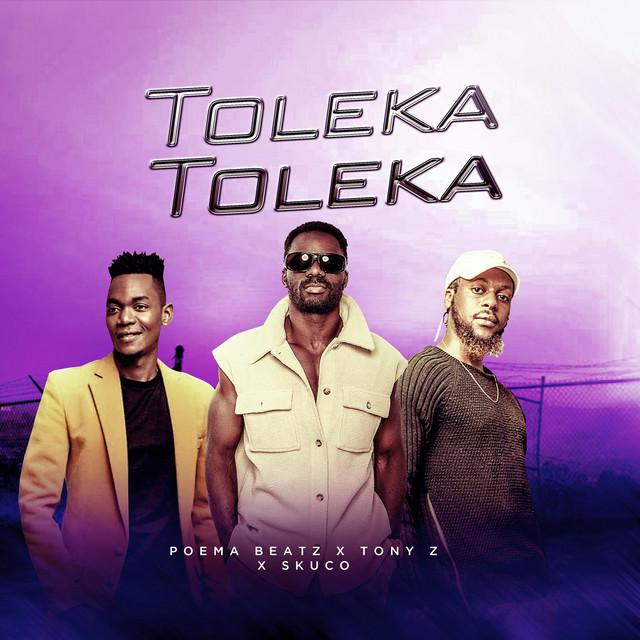
Poema Beatz is based in Sweden, and that distance is part of the point. The track is framed as a connection across the African diaspora rather than a postcard from one city. You can hear why the percussion sits first. Poema has said his creativity lives in the beat: the idea that the groove should go in and stay there, because the heart is restless until it finds it. That is not marketing language. It is how tarraxo and urban kiz actually work. Softness is not the same as softness of impact. The pocket is close, the drums are strong, and the movement is meant to last longer than a three-minute hook.
His own description of the project is simple. Poema Beatz Music is about the feeling of joy and sorrow that unites people whether they are rich or poor. The style around that idea has been called a blend of tarraxo, ghetto zouk, afropop, afrobeat, and urban kiz. After the breakthrough with “Give Her Space,” producers and vocalists started reaching out. Singles like “DAMA” and “Moto Ya Bolingo” kept that momentum going. “Toleka Toleka” fits the same lane: dancefloor first, hybrid on purpose.
The collaborators make the map feel specific instead of vague. Tony Z already has a following of his own; “Lhe Cola” has passed 577K streams. Skuco comes in after features such as “Menina Bem Falada.” Together they treat the record as a groove first. If you are waiting for a big pop chorus to tell you what the song is about, that is not the assignment. The assignment is the pocket, the sway, and the kind of percussion that makes a room agree without anyone announcing it.
That matters in 2026 because Afrobeats and Afro-fusion are no longer a side playlist. Global charts have absorbed West African rhythm for years, and Lusophone scenes — Kizomba, tarraxo, urban kiz — keep feeding the more intimate end of that same conversation. Clubs in Lisbon and Paris have been doing this exchange for a long time. A Stockholm-based Congolese-Angolan producer putting Luanda and Lisbon in the same instrumental is not a trend-chase. It is how the diaspora actually sounds when the beat is allowed to lead.
What stands out is the restraint. A lot of Afro-pop right now stacks vocal slogans until the drop. “Toleka Toleka” trusts the drums and the softness of the tarraxo feel. That is a different kind of peak-time energy: less fireworks, more gravity. If you dance Kizomba or urban kiz, you will recognize the closeness. If you come from festival Afrobeats, you will still feel the pulse. The fusion is the point.
Independent artists who work this hybrid space still have to get the music onto Spotify, Apple Music, YouTube, and the rest without giving the catalog away. DistroKid is one of the simplest ways to do that. You keep more of your earnings, you control the release, and you can take 7% off your membership with this link: https://distrokid.com/vip/seven/2058328. For producers building a lane across countries and languages, that kind of distribution is not extra. It is how the next single reaches the rooms it was made for.
Press play on “Toleka Toleka” and stay with the percussion. Does this version of Afro-fusion hit you as club music, as Kizomba music, or as both? Drop it in the comments.
