

Indie pop has spent the last few years getting quieter about the parts of a person that do not photograph well. Chart writers keep mining low moods, but a lot of that music still arrives polished enough to scroll past. amm’s “get better” does the opposite. It sits in the house with the phone going off and admits the first instinct is to hide. That is the whole opening move, and it is why the song sticks.
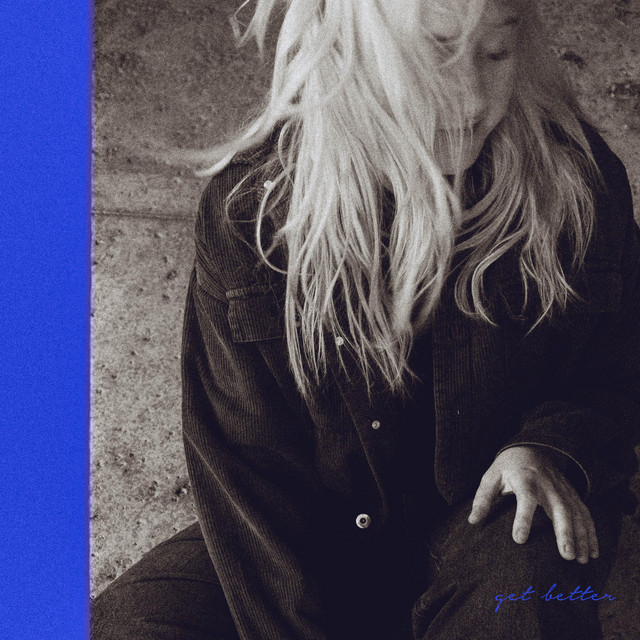
amm is an independent artist from San Diego who writes and produces her own music. She describes the lane simply: chill, dreamy, soulful songs in indie soft pop. “get better” lands as Indie Pop and Alt Pop, and both tags fit. The arrangement is not a wall of synths trying to sound like a playlist. She says it was made with real instruments and synths, and she is specific about why. Her husband, Lee, was playing a guitar line one day. It hit her immediately. She recorded him, then wrote the lyrics straight after. The words, she says, came out like they had already been sitting on the tip of her tongue. Because the song felt personal and delicate, she produced it alone, arranging everything except the guitar, so the original intention would stay intact. Every sound is a real instrument, a vocal, or a synth from a few plug-ins she loves. No AI was involved.
That origin story matters once you hear what the song is actually about. amm calls it a self-reflective piece on shame and depression, and on the way those feelings have shaped her worst days. She was not sure she would ever release it. The decision came from two places at once: the topic felt universal, and the song had already done something for her. Writing it brought healing through honesty. She is plain about the rest. She does not really care if people like it as much as she does. It will still mean something even if nobody else resonates. Releasing it felt healthy. That is a rare pitch in a scene that usually asks you to care about the algorithm first.
The lyric sheet reads like a private list of skills she wants and does not have yet. Getting older and going out less. Feeling over her head when the phone rings. Hiding so nobody finds out she is not doing better. The chorus is almost plain on purpose: “I wanna get better.” Verse two turns the wish outward. Sticking around when she is low, instead of taking it out on somebody close. Not running when she is overwhelmed. Feeling the emotion without causing pain. Verse three is the one that opens the room. Letting it out before she breaks. Admitting she is afraid she is not enough, and showing up anyway. Facing mistakes. Staying even while ashamed. The last lines do not promise a fix. They hope for a place where she knows she is loved even if she is not better. She flags 2:27 through the end as her favorite part, which tracks. That is where the confession stops bargaining and just stays.
Soft indie pop and alt pop are full of this kind of diary writing right now. Vulnerability travels on short-form video because a specific feeling is easier to share than a vague mood. What separates “get better” from the pile is the production choice. She kept the guitar that started the song, built the rest herself, and refused to sand the subject down into a brand. Dreamy does not have to mean vague. Here the dreaminess is the texture around a very clear sentence: I hide, I hurt people when I am low, I want to stop, I am still here.
If you write songs this close to the bone, getting them onto the platforms people actually use should not be the hard part. DistroKid makes it simple to distribute tracks to major services, and you get 7% off your membership with this link: https://distrokid.com/vip/seven/2058328. For an independent artist keeping the writing, the production, and the decision to release, that is a practical way to reach more listeners and keep more of what the song earns.
What do you think of this kind of indie pop, the kind that admits it is not better yet? Let me know in the comments.
