

Carnival season never really ends anymore. Soca and dancehall are still bouncing through summer fetes, diaspora parades, and short clips that loop until the riddim sticks. That is the lane Kiemarley steps into with Tikki Takki, a dancehall soca fusion built for movement.
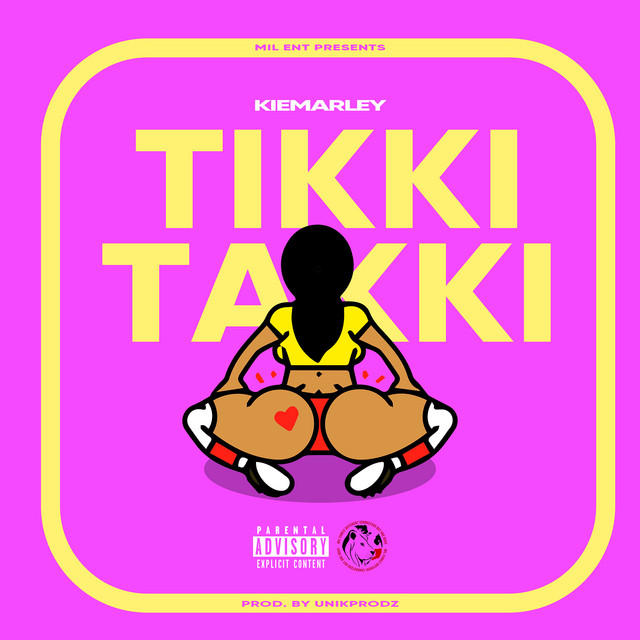
The artist describes the song as full of energy, and the title already does part of the work. Tikki Takki sounds like a chant before the drop even arrives, the kind of phrase a crowd can pick up on the first pass. In this corner of Caribbean music, that matters. Soca grew out of Trinidad and Tobago’s calypso tradition and locked itself to Carnival. Dancehall came out of Jamaica with its own cadence, clash culture, and global reach. Put the two together and you get a record that can live on a road march playlist and a late-night dancehall set without feeling like it belongs to only one room.
Kiemarley is a Guyana-born dancehall and Afrobeats artist who blends Caribbean rhythm with a wider set of influences. He was raised in Georgetown, Guyana, then shaped by life in the United States. That path shows up in how he frames the music: growth, resilience, and cultural pride, rather than a single-scene identity. Guyana already sits inside a region where soca and dancehall carry a lot of the party conversation, so a fusion track from a Georgetown-raised artist is not a stretch. It is a logical next step for someone trying to connect home, diaspora, and listeners who found Caribbean music through festivals and social clips rather than a specific carnival.
The route into music is part of the story too. Kiemarley first picked up recognition through viral comedy skits, then moved into songs, carrying the same directness into the music. That kind of crossover is common now. Artists who already know how to hold attention on camera often write records that feel built for a crowd, not just a studio. Tikki Takki sits in that space. There is no need to over-explain the arrangement when the brief is this clear: dancehall soca, high energy, made to get people moving. The hook energy is in the title. The cultural frame is in the bio. The rest is the riddim doing what soca and dancehall do best.
The timing helps. Caribbean music kept spilling past its usual season in 2026. Toronto’s Caribbean Carnival and London’s Notting Hill Carnival put soca, dancehall, steel band, and sound-system culture in front of huge street crowds. The Caribbean Music Awards treated soca and dancehall as headline categories, with acts such as Kes and Lady Lava among the soca winners. Chart talk around the genre still circles Trinidad powerhouses, but the wider story is fusion: artists pulling dancehall cadence, Afrobeats bounce, and soca tempo into one track so it can travel. Kiemarley is aiming at that bridge on purpose. Rooted in heritage, driven by purpose, and trying to connect listeners outside one city or one carnival week.
If you are an artist trying to get a record like this onto the platforms where carnival DJs and playlist editors actually look, distribution is the unglamorous part that decides whether the song leaves your hard drive. DistroKid makes it simple to send tracks to major services, and you can get 7% off your membership here: https://distrokid.com/vip/seven/2058328. It is a practical way to reach more listeners and keep more of what the music earns.
Tikki Takki is a short, loud introduction to a Guyana-born voice who already knows how to get attention and is now putting that into dancehall soca. What do you think of this kind of fusion, and does the title alone make you want to hear the riddim? Drop a comment.
