

Arabic house is having a long moment, and not just as a playlist tag. The records that stick are the ones that treat melody, percussion and mood as one idea instead of a sample pack dropped on a kick. DAHR’s Arabic Nights is built that way. It sits on Sudam Recordings’ ORGANIC XVII, catalog SDM206, released 2 October 2026: Afro House, 121 BPM, E minor, 5:17. Slow enough to breathe. Long enough to feel like a set moment rather than a clip.
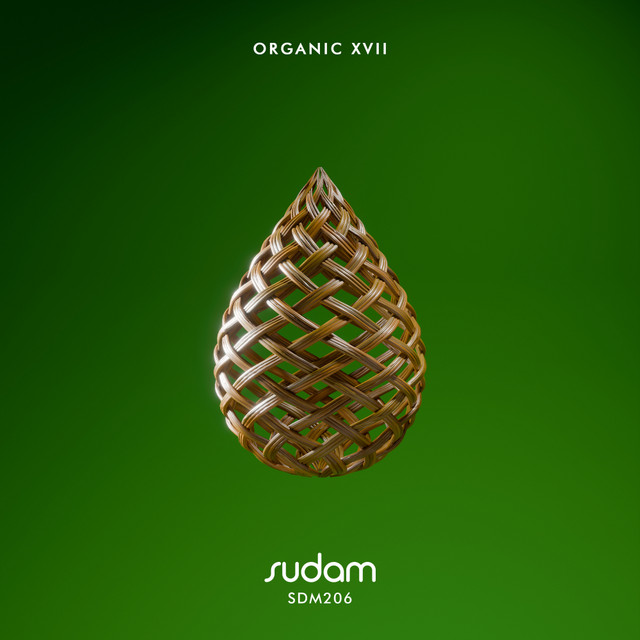
DAHR wrote it almost four years ago, before his current sound and identity had fully settled. He has called it a personal record that waited for the right home. That home is Sudam, the Buenos Aires label whose ORGANIC series keeps feeding the mid-tempo, percussion-led side of the scene. Arabic Nights lands between Arabic House, Afro House and melodic electronic music. The pitch is clear: hypnotic grooves, organic percussion, and Arabic influence used as part of the writing, not as decoration.
That distinction matters in 2026. Afro House playlists are crowded with rolling bass, shaker patterns and vaguely “eastern” leads. The better end of the genre, the lane associated with Keinemusik, Adam Port and the open-air circuit, still rewards patience. A track earns its place when the percussion feels played, the harmony stays warm, and the groove does not rush the drop. At 121 BPM in E minor, Arabic Nights is built for that pocket: sunset decks, long blends, rooms where the dancefloor wants tension more than a fireworks edit. He has also pointed to early support from Hvmza and Hugel, which fits a record aimed at selectors rather than a thirty-second hook.
The biography explains why the record feels rooted. DAHR is a Belgo-Turkish artist and DJ. He started on drums, marimba and other instruments at six, then guitar and piano, then anything else he could get his hands on. Producing, and later mixing and mastering, began at 14. He graduated cum laude with a Master in Electronic Music Production from SAE. Early 2022 releases were healing and meditation journeys, the kind of frequency-based work that still shows up in his catalog. Those records reached a wide listenership. The club side came after: organic percussion, hypnotic rhythm, melodic warmth, emotional energy. His own notes put the reach past 350,000 listeners and 1.5 million streams.
Support listed around the project includes Adam Port, Keinemusik, Sean Doron, Solomun and Massano. Belgian airplay has come through Studio Brussel, Kiosk Radio and Bruzz. Stages already include Pukkelpop, Silencio Paris, Telegraphenamt Berlin, Charlatan Ghent and Club 69. The through-line he describes is simple: meeting people, tapping the energy in the room, and turning that into stories meant to engage and wake people up. Arabic Nights is the club version of that idea, held back until the Arabic House / Afro House direction was actually his.
If you are releasing in this lane, distribution still decides whether a DJ can find the file on Friday. DistroKid makes it simple to get tracks onto the major platforms, and you get 7% off membership with this link: https://distrokid.com/vip/seven/2058328. Useful if you want the record reachable without giving away the margin.
Arabic Nights is a patient record from an artist who already had the tools, then waited until the identity matched the groove. Worth a full play, not a skip to the breakdown.
What do you think of this Belgo-Turkish take on Arabic House? Drop it in the comments.
