

A lot of electronica in 2026 is built for one lane. Same groove, same mood, same drop shape, repeated until the playlist moves on. Paul J. Williams is not really playing that game. Neptune's Folly is tagged electronica, and the pitch that came with it is short on the nose: the progression is rather dynamic, and the song offers variety throughout. That is a small sentence doing a lot of work. In a year when club charts are still being pulled toward Afro house, melodic techno, and tighter peak-time formats, a track that treats electronica as a journey rather than a loop is worth sitting with.
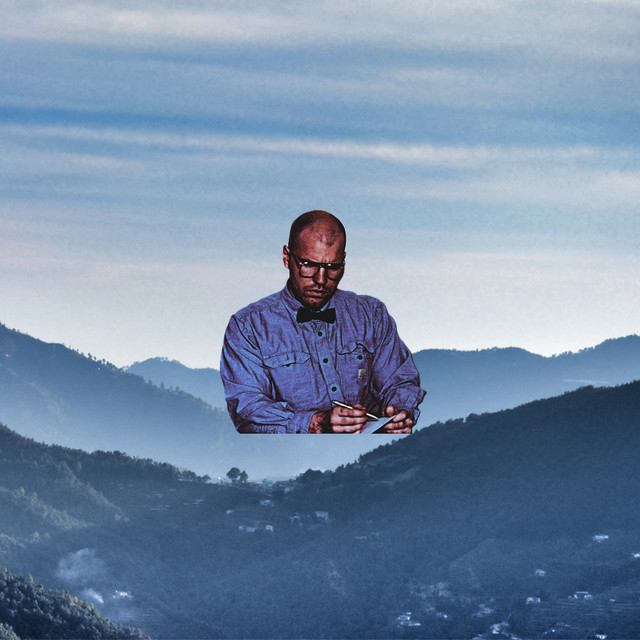
Electronica has always been the wide shelf. It can mean cinematic synth work, late-night atmospheres, or something that keeps shifting its own furniture. What Williams is pointing at is the second idea. Dynamic progression, in practice, is the difference between a track that states its idea in the first thirty seconds and one that keeps rewriting the room. Sections change weight. Textures arrive and leave. The energy does not sit in one temperature. For listeners who still want electronic music that feels composed, not just arranged for a DJ tool, that variety is the whole point.
The story wrapped around the music is just as deliberate. Paul J. Williams presents himself as a DJ from outer space. The origin he shares starts on Urban V, Urban Five, in Galaxy Andromeda. A war over civil disputes between colonies on the neighboring planet Titan III, Titan Three, tipped into chaos. Before that, he was seen as an Elect. The position forced him to leave family, friends, and the one he loved, for the sake of justice in the cosmos. He was launched into space as his home city of Char was reduced to rubble.
Months alone in a ship followed. The account describes psychological symptoms of psychosis, a mind with nowhere to go and no one to talk to, reduced to a choice between stopping and going on. He persevered, broke the mental walls, and collected the fragments so he could piece himself back together. Then he found an inhabitable planet, Earth, claimed it as home, and started a new life. Music production came later. He says he has many songs still to release, and he hopes listeners enjoy each one.
That framing matters, because Neptune's Folly sits inside it. A title like that, paired with a survival story set between planets, reads as more than costume. The artist also runs a strict no AI policy. In a season when search interest in AI music tools keeps climbing, that line is a creative stance, not a footnote. The track is meant to come from a person assembling something by hand, even if the person in the bio arrived from Andromeda.
He closes the bio with a line worth keeping intact: "May we cherish the memories of the past, firmly hold on to the hope of a better future, and violently seize the day before us. Let us open the gates of M, and release the beauty now within for all to see. Brother S.P.C. shall burn. I'm sure of it." It is signed Paul J. Williams, then k n g i i m a. Neptune's Folly is the piece he is putting in front of that invitation.
If you are an artist trying to get a record like this onto the platforms people actually open, distribution is the unglamorous half of the job. DistroKid makes it simple to send tracks to the major services, and you can take 7% off your membership with this link: https://distrokid.com/vip/seven/2058328. It is a practical way to reach more listeners and keep more of what the music earns.
What do you think of this kind of dynamic electronica, especially when the artist builds a whole world around it? Let me know in the comments.
