

Independence Day playlists usually lean bright. Horns, pride, a chorus you can shout from a danfo window. Efi Cruise showed up with something sharper. Ojoro is Afrobeats that refuses the victory lap. Released against Nigeria’s October 1 backdrop, it asks what independence actually feels like when rent, fuel, and leadership still do not add up. He put it simply in the pitch: just speaking his truth. The song does the rest.
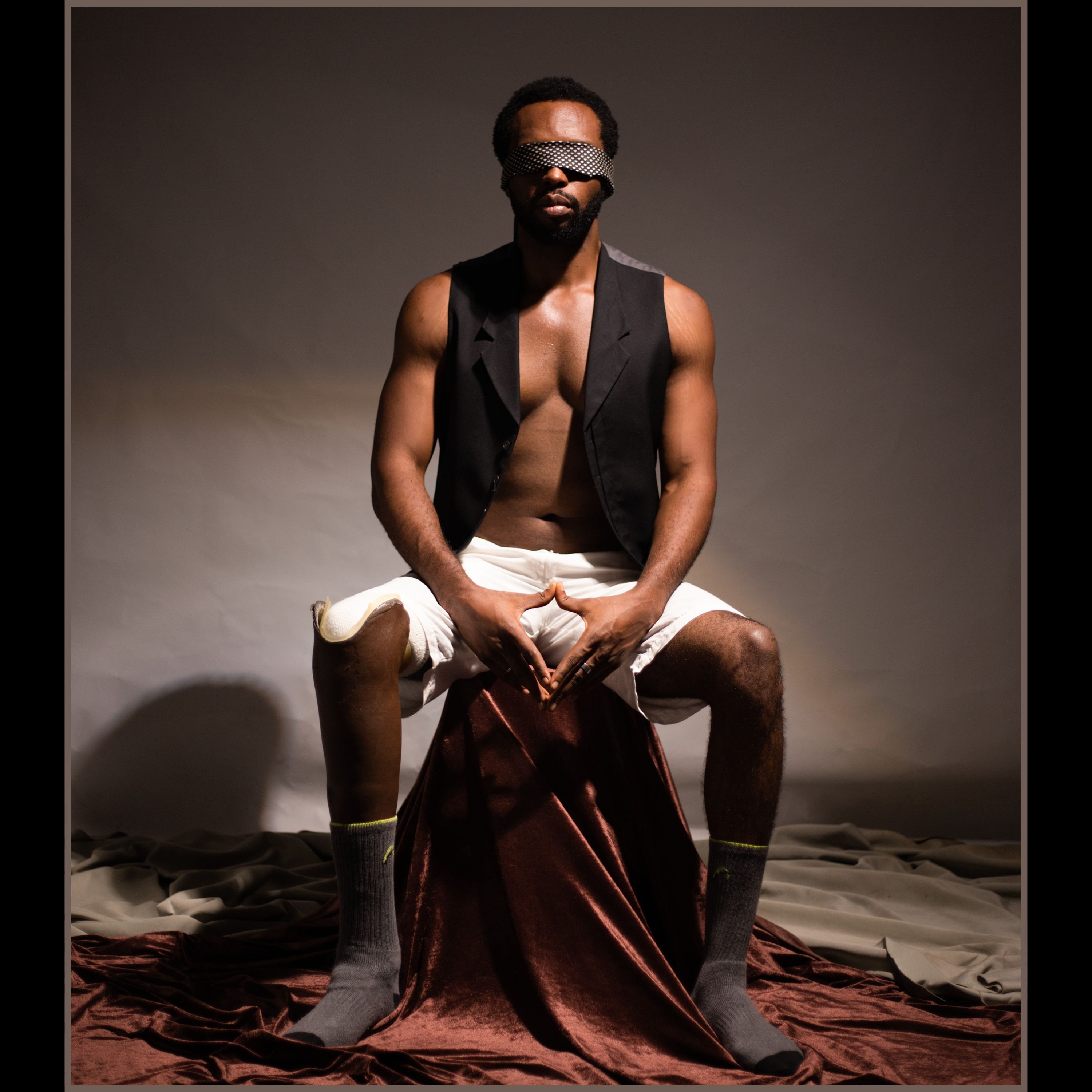
Efi Cruise calls himself the Bayside Boy and names his lane Southern Afro-Jazz: jazz, Afrobeats, highlife, hip-hop, and funk in one pocket. He grew up in the bustle of Lagos and started writing as both resistance and celebration. The debut deluxe album Mirrors landed in October 2023 and planted him in that Afro-jazz space. On August 26, 2025 he followed it with If You Were Me You Would Be Dead, a rawer chapter built around singles such as My Dear, Flavour, Lekeleke, and Blue Collar. Live, he leans on scat-singing, the jazz and bebop habit of floating across the bar like the subject is light, then landing every line with stamina. Ojoro sits in the Afrobeats, Afro-pop, and Afro-fusion lane, but the jazz looseness is still in the vocal.
The hook is the whole argument. They preach democracy. They talk democracy. In this country, he says, what you actually get is oyocracy: government for yourself, by yourself, to yourself. The chorus then names it in plain Pidgin. Wetin we go call them? Ojoro. On telly they yap, bigi belle like they want to born twins, excuses that do not hold, money they cannot explain. A farmer turns oil inspector. A lawyer is out doing road construction. The film, he shrugs, pass action. Between those punches he widens the frame. Nobody is looking out for nobody. Even in congregations people are lonely. Vanity has swallowed priority. The close is almost gentle after all that heat: show love to your brother-man, do not take yourself too serious, this life na jagaban ting.
That mix is why the record works as Afro-fusion rather than a speech with a beat under it. Afrobeats in 2026 is still the global export, but the records that travel furthest often carry a local argument, not just a dance instruction. Ojoro keeps the rhythmic bounce and call-and-response of the style, then uses scat and spoken asides the way a highlife band used to slip social talk between guitar lines. The production stays in service of the chant. You can hear the crowd answer “Ojoro” without needing a stadium.
Listeners who came in through Flavour or Lekeleke will recognize the voice. New listeners get the shortest possible intro: a Lagos artist who treats Afrobeats as a place to tell the truth, not only to celebrate. If the groove pulls you in, the lyric keeps you there.
Independent artists doing this kind of pointed Afro-pop still need the pipes that get a track onto Spotify, YouTube, and the rest without a label middleman. DistroKid keeps that path simple, and this link takes 7% off membership: https://distrokid.com/vip/seven/2058328. Useful if you are sitting on your own version of a truth-telling single and want it in front of people who are not already in the room.
What do you hear first in Ojoro, the chant or the argument? Drop it in the comments.
