

Afro house does not need a lecture to say something. It needs a kick that sits in the chest, percussion that keeps moving, and a feeling people can share without translating it first. That is the lane Kiano Cross steps into with A Voice In Champagne Dreams, a track about one love and unity, built so the message can travel on a dancefloor.
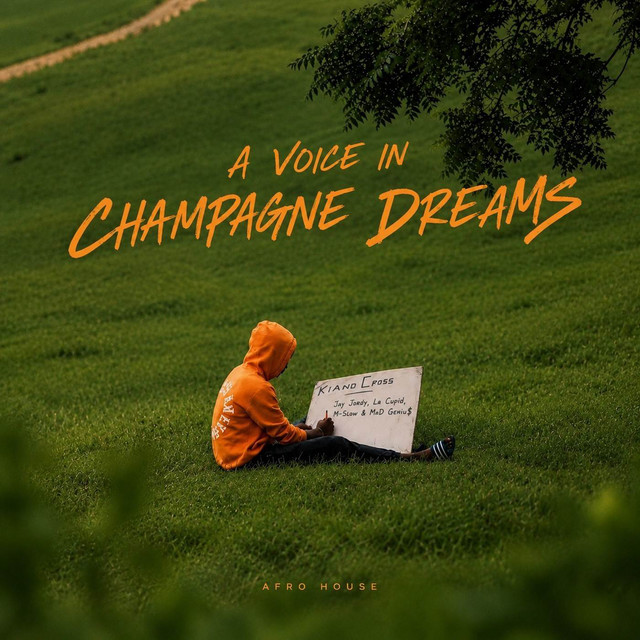
The pitch is direct. This is a song about unity, one love, and the hope that people might one day reach real peace, expressed through an afro house beat. Cross wants listeners to feel that South African vibe and, just as importantly, to dance. The title does some of the work on its own. Champagne dreams usually means the glossy version of ambition. Pairing that with a voice, and with a message about peace, turns the track into something warmer than a standard club tool. It is still built for movement. It is also aimed at connection.
That combination matters right now. Tribal afro house and South African afro house have moved from local floors into global rooms, with deep rhythms, soulful melody, and hypnotic basslines carrying the genre from township parties to Ibiza residencies. Reports through 2025 and 2026 have tracked a sharp rise in afro-house downloads and searches, with names such as Black Coffee, Da Capo, and Caiiro showing how far a percussion-led South African sound can travel. The records landing hardest tend to keep the groove clean: layered drums, intentional bass, and enough space for a vocal idea to sit without fighting the kick. Cross is working in that same conversation, using an afro-fusion frame rather than a pure instrumental tool.
Kiano Cross is the project name of Lovejoy Mduduzi Mkhabela, born 14 March 2005. He is a South African artist from Mpumalanga, born and raised at Pienaar Daantjie in Gobhoza. He describes his music as a new era he calls the DreamDrive Era. In his own framing, that era holds R&B, hip-hop, soul, and pop, and it runs from complete silence toward bigger stages, powered by DreamDrive music. A Voice In Champagne Dreams sits at the dance end of that range. The genres attached to the submission are Afrobeats, Afro-pop, Afro-fusion, and Tribal / Afro House, which fits an artist who is still defining a lane rather than locking into one template.
What the track is selling is simple enough to share. Unity is not an abstract slogan here. It is the reason the beat exists. Afro house has always been good at that job. A rolling percussion bed can hold a room together before anyone reads a caption. Afrobeats and afro-pop have done similar work with hooks that travel across languages. Cross is borrowing both instincts: a South African rhythmic feel, a message about peace, and a structure meant for dancing rather than sitting still. If the vocal carries the one-love idea the way the pitch describes, the production’s job is to keep bodies moving while that idea lands.
For a young artist from Gobhoza, that is a useful first impression. DreamDrive Era reads like a statement of intent more than a finished brand. R&B and soul suggest melody and feeling. Hip-hop and pop suggest hooks and reach. Afro house gives the current single a floor it can actually occupy. Plenty of independent records get stuck between a personal story and a playlist. This one has a clear use: late sets, warm-up energy, and any room that still wants a South African pulse under a hopeful lyric.
Independent artists in this lane also need the unglamorous part handled. A strong afro house cut does very little if it never reaches the playlists and DJ pools where the genre actually lives. DistroKid makes it simple to distribute tracks to major platforms, and you get 7% off your membership with this link: https://distrokid.com/vip/seven/2058328. It is a practical way to reach more listeners and keep more of what you earn.
A Voice In Champagne Dreams will not settle the peace question. It does put one love on a beat people can move to, which is more than most messages manage. What do you think of this South African afro house take on unity? Let me know in the comments.
