

There is a particular kind of autumn alt pop that does not raise its voice. It sits in the room after someone has already left in their head, and asks the question nobody wants answered. le:la’s new single “don’t say it,” out 30 September 2026, lives in that gap. One person is still bargaining. The other has already checked out. The song does not pick a side so much as trap both of them in the same sentence.
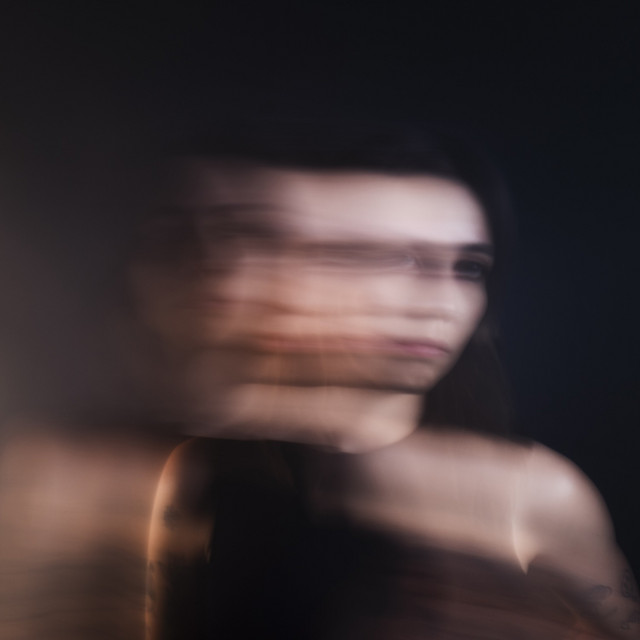
Alternative pop has spent 2026 leaning into that exact temperature. Confessional songwriting in the lane of Gracie Abrams, Elena Tonra, and the wider sad-girl autumn cycle has kept intimate production in the charts while the weather turned. “don’t say it” fits the moment without copying it. The press notes describe a distorted, melancholic piano beat from the first second, with le:la’s vocals produced extremely close and crystal clear against that haze. The isolation only opens in the bridge, where a dense bed of synths lets the track drift into a psychedelic dream-pop atmosphere. That contrast is the whole argument: clarity on the vocal, blur everywhere else.
Lyrically, the chronology is sharp. The first verse starts in a false familiarity. “love / you say to me / as if we’ve known each other / for years.” Then the plea lands and refuses to leave: “stay, don’t go,” “stay here with me / i’m begging please.” The second half gets colder and more analytical. “when did you forget me” and “why do you keep hurting me” arrive like someone replaying the timeline, looking for the exact hour the other person stopped showing up. The finale is the clever part. Perspectives blur. The desperate “stay” and the attempt to break free lock together so tightly that the closing line can belong to either person. That is the cruelest dynamic of a breakup written as a hook rather than a diary entry.
le:la’s wider sound sits between 90s nostalgia and current songwriters such as Elena Tonra, Sevda Alizadeh, and Gracie Abrams. R&B hooks meet dark post-trip-hop, carried by a soulful voice. The songs are autobiographical coming-of-age stories, but not clumsy or direct. The lyrics draw a dark, blurry painting instead of a clear picture of reality. Contemporary pop, indie R&B, and trip-hop are the stated coordinates. “don’t say it” uses all three: the close vocal intimacy of indie R&B, the low, uneasy pulse of post-trip-hop, and the autumn-ready melodic frame of alt pop. Photos are credited to Sabrina Holtz. The artist has also flagged playlist features as something they are glad about, which makes sense for a record built to sit inside late-night alternative playlists rather than fight for a shout-along chorus.
What makes the production work is restraint. A distorted piano beat can easily turn theatrical. Here it stays under the vocal, so the begging never becomes a performance of begging. When the synth bed finally arrives, it feels like the room changing temperature, not a drop designed for a clip. Listeners who want dream pop with teeth, or alt pop that still remembers trip-hop’s shadow, will hear the reference points without needing them spelled out.
If you are an artist trying to get a record like this onto major platforms without losing the cut, DistroKid keeps distribution straightforward, and you can take 7% off membership here: https://distrokid.com/vip/seven/2058328. It is a practical way to reach more listeners and keep more of what the song earns.
What do you think of this kind of one-sided breakup song? Does the blurred ending land, or do you still want a clear villain? Let me know in the comments.
